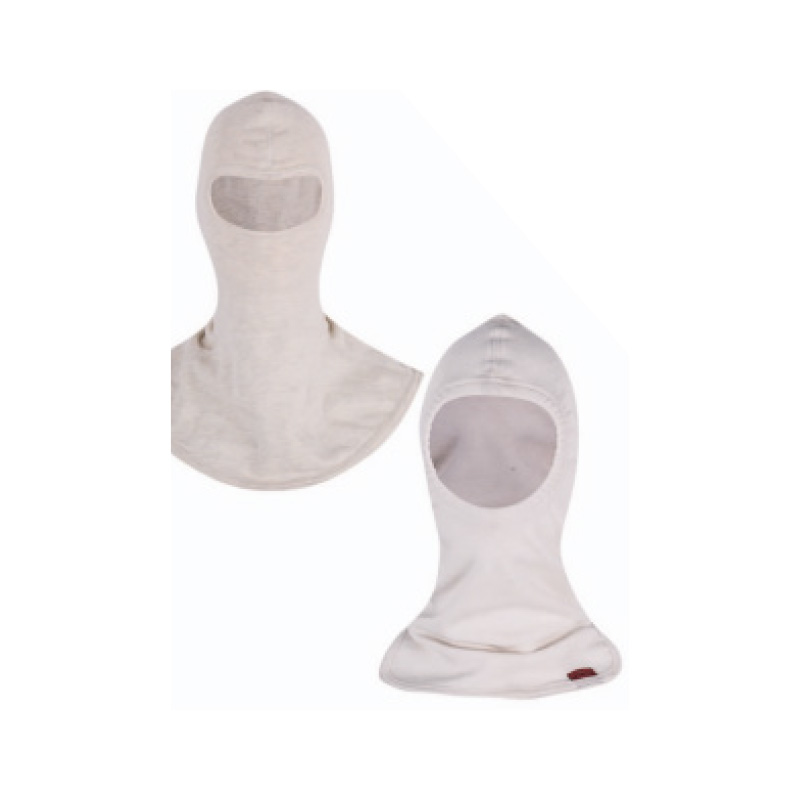
While Personal Protective Equipment (PPE) is considered a final layer of defense, its use is frequently indispensable in chemical handling operations and is necessary to support higher-level hazard controls. PPE for chemical work encompasses items such as overalls, aprons, safety footwear, gloves, chemical-resistant eyewear, face shields, and respirators. Selecting the correct chemical safety PPE is critical and must be based on the specific hazardous chemicals involved. It must also be of appropriate size and fit. Workers are responsible for correctly maintaining, wearing, and using this equipment.
For instance, when selecting chemical-resistant gloves for optimal protection against a specific substance, it is important to understand that glove materials offer varying resistance—a glove effective against one chemical may degrade when exposed to another. Moreover, the overall effectiveness of any PPE, whether for chemical or other hazards, depends entirely on correct usage. Maintaining dexterity and clear vision is vital, as is thorough training on the proper fitting and use of each piece of equipment.
Personal protective equipment consists of devices, garments, or instruments worn by workers to protect against risks to their health and safety. When handling chemicals, PPE is essential to prevent accidental exposure via inhalation, skin absorption, or ingestion.
Types of PPE for Chemical Work
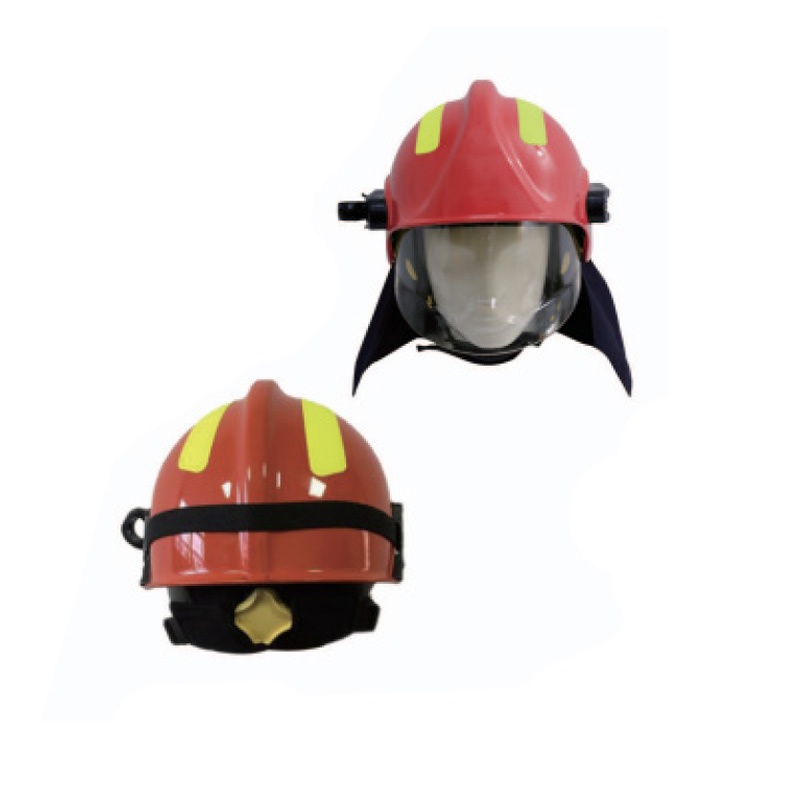
Respirators and Face Masks: This equipment is critical for protecting the respiratory system from inhaling chemical vapors, toxic gases, or harmful aerosols. Types range from particulate-filtering and air-purifying respirators to supplied-air systems. The choice depends on the chemical and exposure level. Proper training on donning and fitting is essential to ensure an effective seal and reliable protection.
Protective Eyewear: Safety goggles protect the eyes from chemical splashes and irritating vapors. They are typically made from chemical-resistant materials and may feature indirect ventilation to prevent fogging. A proper fit is necessary, and they are often used in combination with other PPE, like respirators, for full-face protection.
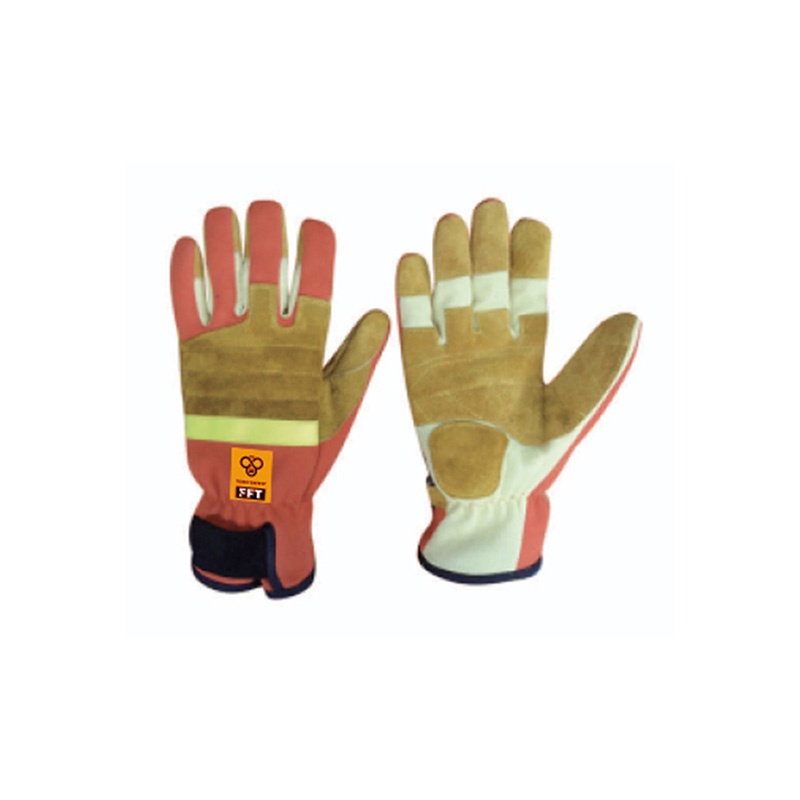
Safety Gloves: Protective gloves are fundamental for shielding hands from corrosive, irritating, or toxic chemicals. They are made from various materials—such as rubber, nitrile, or neoprene—based on chemical compatibility. Gloves must be selected for the specific chemical hazard, inspected regularly for damage, and changed frequently to prevent cross-contamination.
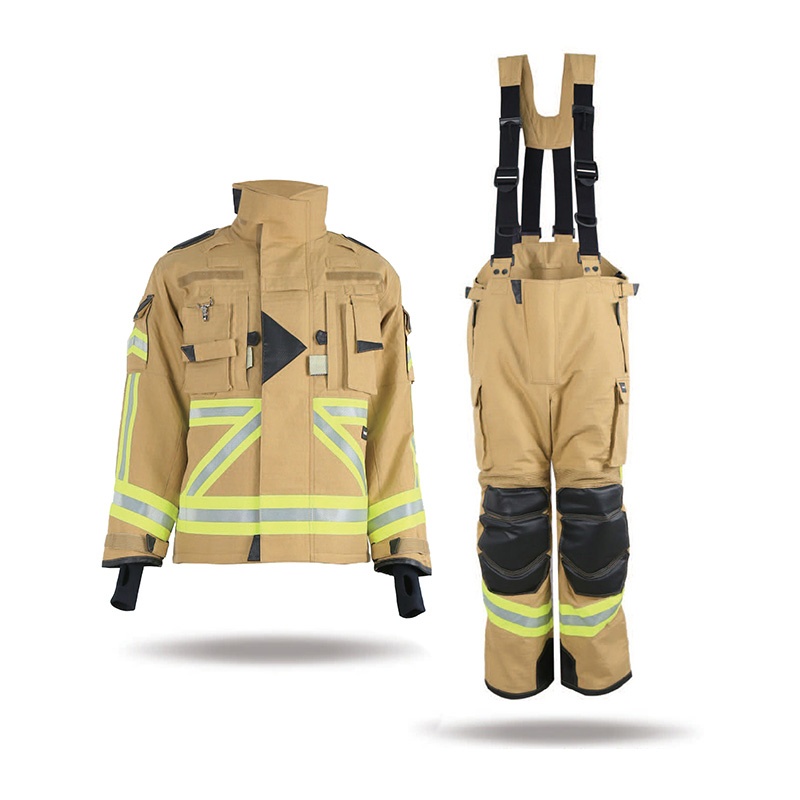
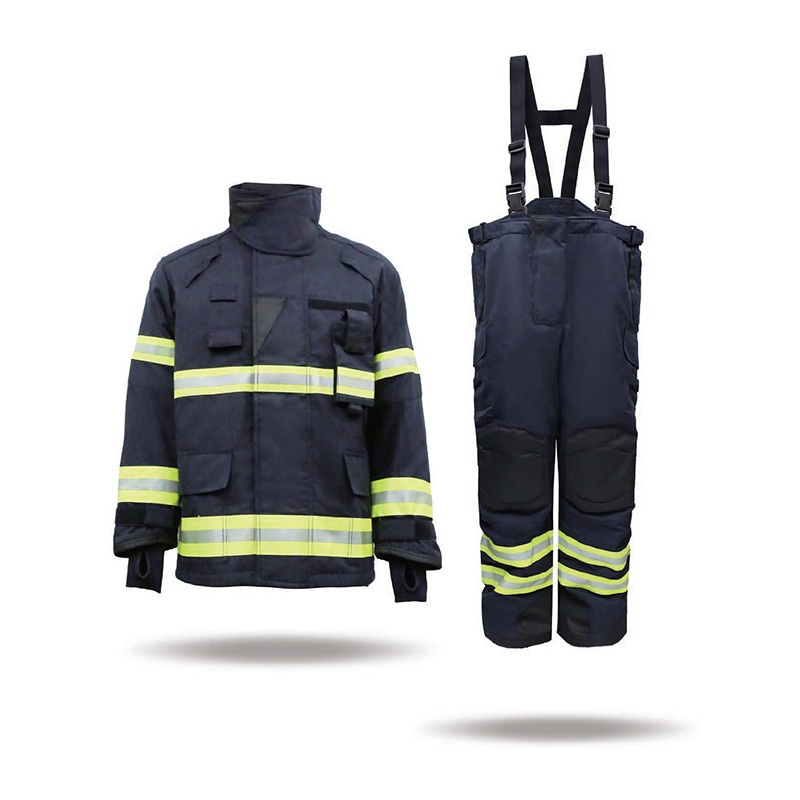
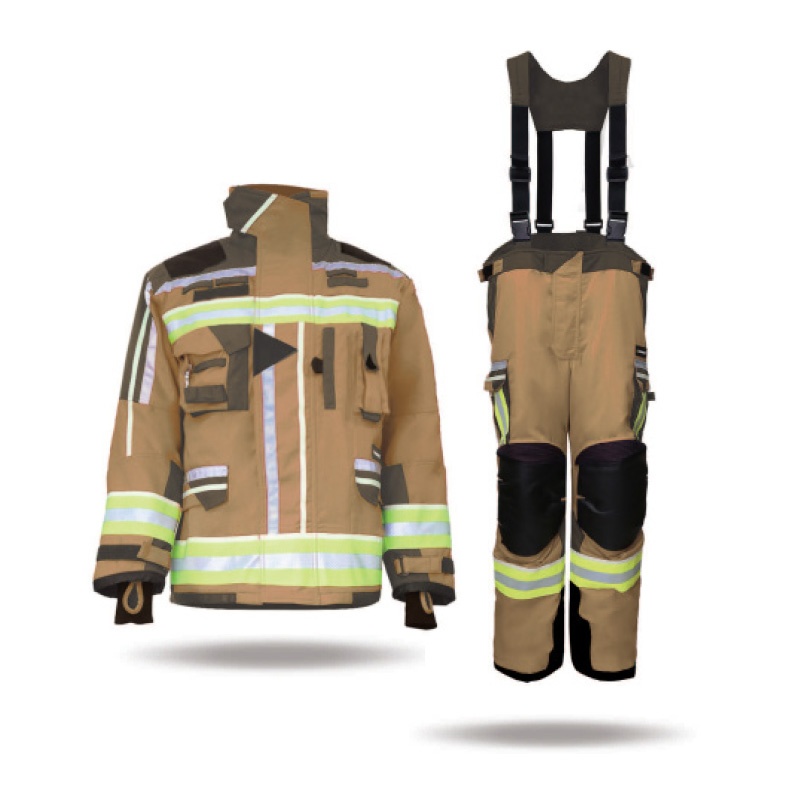
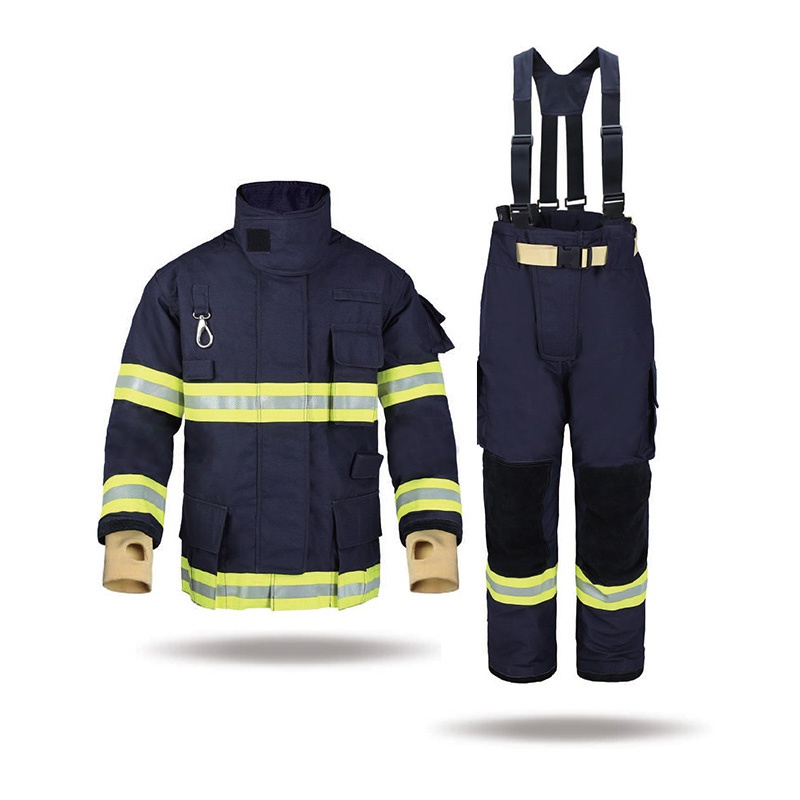
Protective Clothing: This category includes full-body suits, aprons, and gowns designed to prevent skin contact with hazardous chemicals. Such clothing is commonly made from impermeable, chemical-resistant materials like polyethylene. A proper fit and secure closure are necessary to prevent chemical ingress. After use, this clothing must be carefully removed and disposed of to avoid secondary contamination.
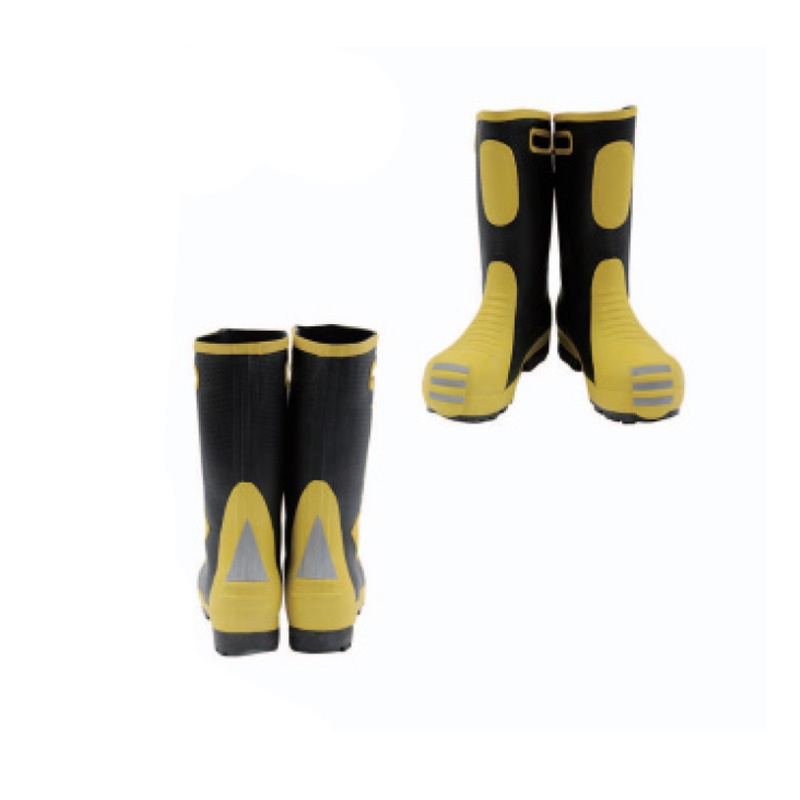
Safety Footwear: Safety shoes or boots are vital for protecting feet from spills, splashes, and falling objects. They often feature reinforced toe caps and slip-resistant soles. Correct fit is important, and footwear should be inspected regularly for wear or damage. Workers must wear them at all times in chemical handling areas.
The Importance of Training and Correct PPE Use
Merely providing PPE is insufficient. Workers must receive comprehensive training on its correct use, storage, and maintenance. They also need to understand the specific risks of the chemicals they handle and how their PPE mitigates those risks.
Employers are responsible for supplying suitable PPE and ensuring its consistent use when required. This duty includes conducting regular risk assessments to identify hazards and determine the necessary PPE for each task.
The Importance of Controlled Chemical Environments and PPE
In chemical work, safety relies on a two-tiered approach: engineering controls for the environment and personal protection for the individual. While this text focuses on PPE, its effectiveness is maximized when used within a controlled setting.
Role of Engineering Controls (Chemical Environment):
The primary safety strategy involves designing the work environment to minimize hazard exposure. This includes using fume hoods, local exhaust ventilation, closed processing systems, and proper chemical storage. These controls aim to contain or remove hazardous substances from the worker’s breathing zone and general area, thereby reducing the overall reliance on PPE. A well-managed chemical environment is the first and most effective line of defense.
Role of Personal Protective Equipment (PPE):
PPE serves as the essential personal barrier against residual risks that cannot be eliminated through environmental controls alone. Even with ventilation and closed systems, potential exists for spills, splashes, accidental releases, or maintenance activities that bring workers into direct contact with hazards. PPE acts as the critical last line of defense, protecting the eyes, skin, and respiratory system during these exposures.
Integrated Safety Approach:
Combining a controlled environment with appropriate PPE creates a robust, multi-layered defense system. Engineering controls reduce the concentration and frequency of exposure, while PPE provides direct, personalized protection against remaining risks. This integrated strategy significantly lowers the potential for acute injuries, long-term health effects, and accidental contamination.
In work involving chemicals, safety must be paramount. Personal Protective Equipment is more than a necessary tool; it is a vital component of a holistic safety culture that protects worker health and well-being. Properly implemented and used, PPE represents a crucial investment in both human safety and the long-term operational integrity and reputation of any organization.